
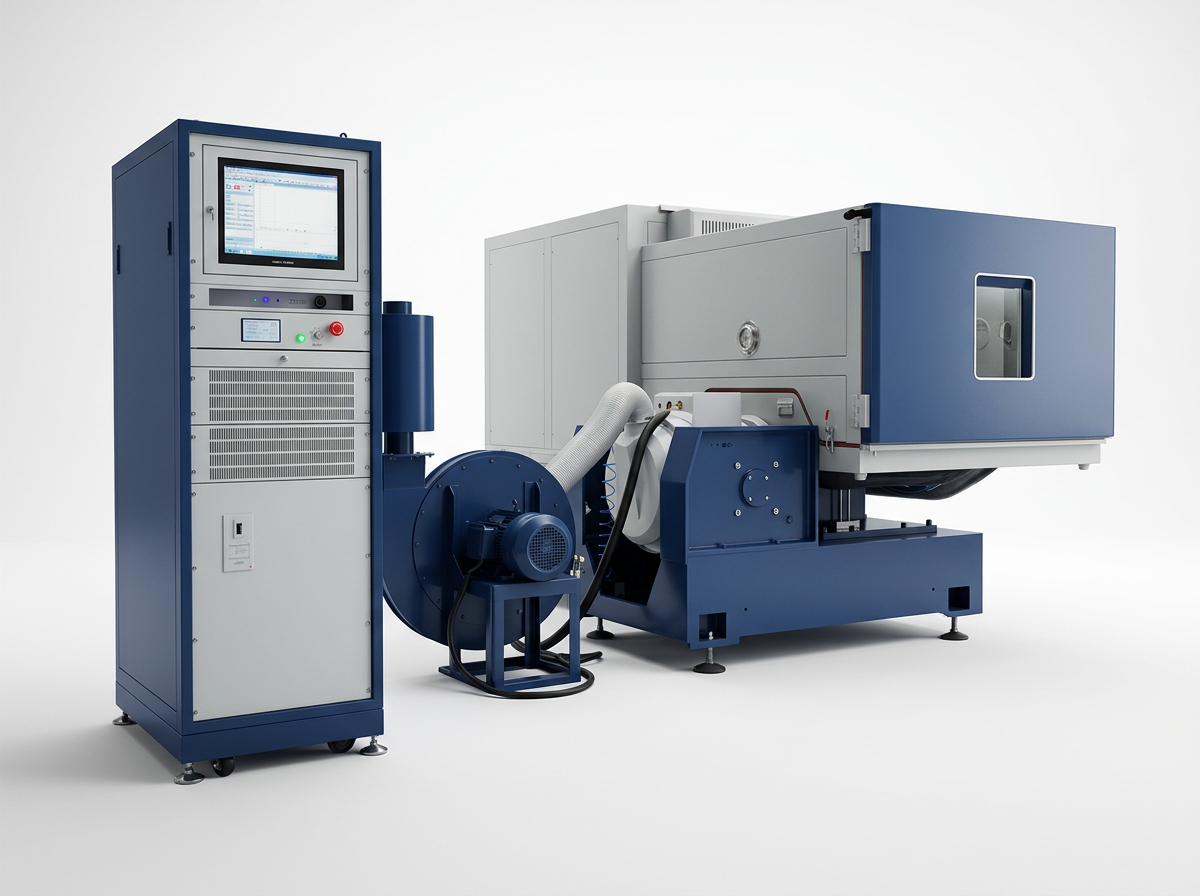
Combine Temperature, Humidity and Vibration Test System
A combined environmental test system applies vibration while controlling temperature and humidity within the same test sequence. It is used to investigate how products, components, materials, coatings and assemblies respond when climatic and dynamic stresses act together. TestLabs Malaysia can help scope a chamber-and-shaker configuration around your specimen, required test profile, applicable method and delivery location. Final capability depends on the selected system configuration and the customer’s applicable test method.
✳︎
Local Technical Support
✳︎
1 Year Local Warranty
✳︎
Free Training
✳︎ Local Technical Support ✳︎ 1 Year Local Warranty ✳︎ Free Training
What Is a Combined Environmental Test System?
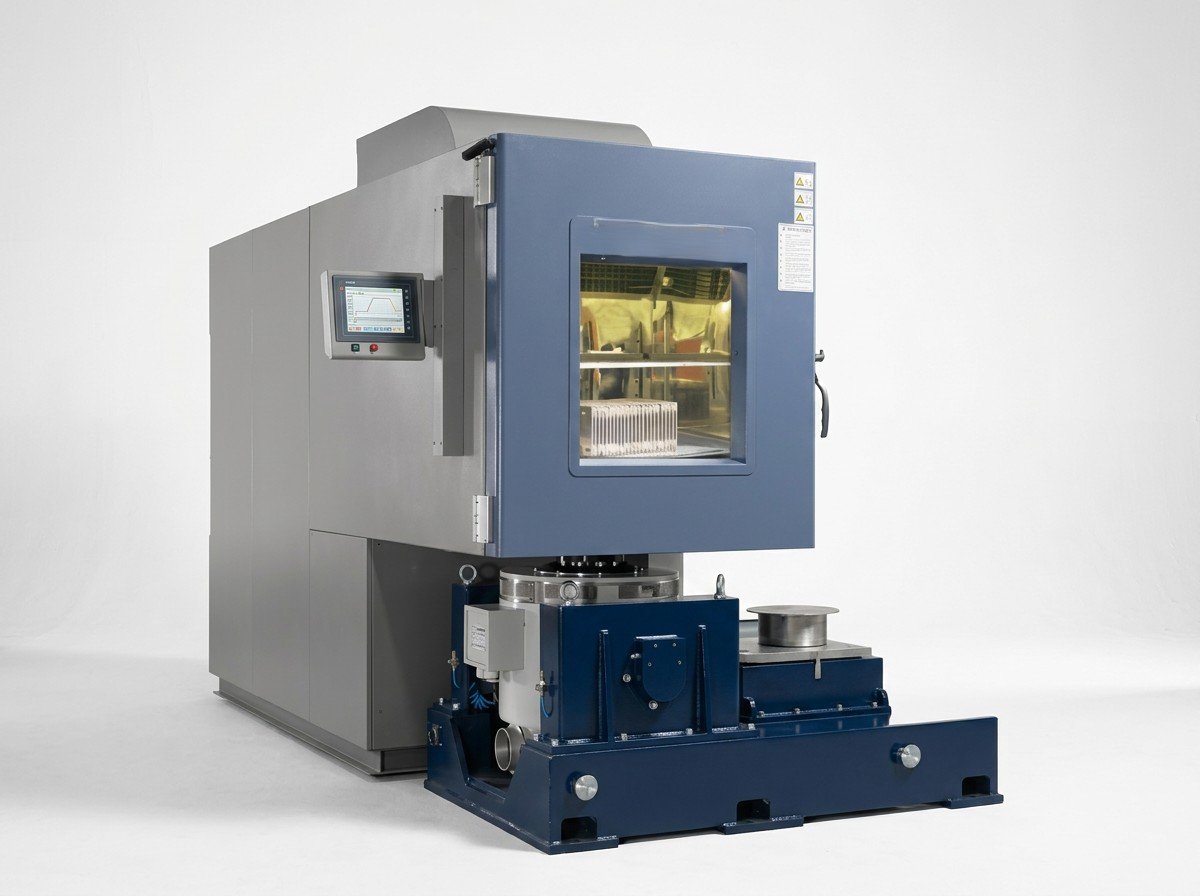
Why Combine Temperature, Humidity and Vibration Testing?
Separate temperature, humidity and vibration tests can be useful during product development, but some failures are influenced by the interaction of stresses. Combined testing can help engineers investigate issues such as movement under thermal expansion, moisture-related changes during vibration, connector or solder-joint weakness, enclosure or coating performance, and other failure mechanisms relevant to the product’s life-cycle environment. The actual test sequence should be based on the customer’s mission profile, product requirements and applicable method rather than on a generic preset.
A combined environmental test system combines a climatic chamber with a vibration test setup so that a product can be exposed to temperature, humidity and vibration in a coordinated test sequence. This approach is suitable when the interaction between environmental and mechanical stresses is important to the product’s expected use, transport or storage conditions.The terminology used for this type of work is often combined climatic and dynamic testing or temperature-humidity-vibration testing. IEC 60068-2-53 describes test methods and guidance for combined climatic conditions, such as temperature and humidity, with dynamic conditions, such as vibration or shock. The applicable standard, edition, test profile and acceptance criteria must be confirmed for each project; equipment does not by itself certify a product.
Typical Applications
Combined environmental testing may be considered for products and components that experience both mechanical vibration and changing climatic conditions. The examples below are potential application areas, not a guarantee of suitability. TestLabs should confirm the required chamber, shaker, fixture, monitoring and safety configuration for each enquiry.
| Application area | Examples of products or components | Why a combined test may be considered |
|---|---|---|
| Automotive and mobility | Automotive electronics, vehicle components, battery-related assemblies and parts exposed to road or transport vibration. | To investigate product behaviour when mechanical vibration occurs together with changing temperature or humidity. |
| Aerospace and defence | Avionics-related equipment, aerospace components, enclosures and mission hardware, subject to the applicable project requirements. | To reproduce selected combinations of climatic and dynamic stresses that may occur during operation, transport or storage. |
| Electrical and electronic products | Electronic instruments, control assemblies, connectors, housings and industrial electronic equipment. | To examine interactions between thermal or moisture exposure and vibration-sensitive parts or assemblies. |
| Materials, coatings and assemblies | Materials, coatings, bonded parts, seals and other assemblies where environmental exposure may affect mechanical integrity. | To support an investigation of durability and failure mechanisms under the customer’s defined combined test profile. |
Configuration note: These are potential application areas, not a guarantee of suitability. Test method, specimen condition, chamber, shaker, fixture, monitoring and safety requirements must be confirmed for each project.
Tell us what the product is expected to experience in service, transport or storage. A clear application description helps TestLabs determine whether the requirement is best addressed by a combined system, separate environmental and vibration equipment, or a customized configuration.
Test Scope and Configuration Options
A combined system can be scoped around the climatic conditions, dynamic excitation, specimen envelope, operating state and data requirements defined by the customer. Depending on the applicable method and selected equipment, the requested scope may involve temperature cycling, humidity exposure, vibration excitation, shock, electrical operation, monitoring, data logging or other project-specific functions. Potential test modes and environmental conditions described in standards are not automatic product specifications; each item must be confirmed against the proposed system and the customer’s test method.
Configuration note: Temperature range, humidity range, vibration force, frequency, displacement, acceleration, chamber working volume, specimen mass, fixture design, utilities, control architecture and data-logging functions vary by system configuration. Please request confirmation before specifying them in a purchase order or test plan.
Technical Information to Confirm
To recommend a suitable combined environmental test system, TestLabs needs the test inputs below. The values should be confirmed against the customer’s product requirement, test method and site conditions.
| Information category | Details to provide | Why it affects the configuration |
|---|---|---|
| Specimen and fixture | Product type, specimen dimensions, approximate mass, mounting orientation, fixture requirements and quantity. | Determines working volume, payload, fixture design, access and the interaction between the chamber and vibration system. |
| Climatic profile | Required temperature range, humidity range, ramp or cycle, dwell time, transition rate and operating condition. | Determines the climatic chamber capability and the sequence that must be coordinated with the dynamic test. |
| Dynamic profile | Vibration type, frequency range, force or acceleration requirement, displacement, duration, axes, waveform and test sequence. | Determines the shaker, amplifier, fixture, control method and safety limits required for the test. |
| Applicable method | Customer specification, standard name and edition, test level, acceptance criteria, preconditioning and post-test checks. | Ensures the proposed configuration is reviewed against the correct project method. A standard reference is not an automatic compliance claim. |
| Product operation | Whether the specimen must be powered, monitored, loaded, cycled or operated during the combined test. | May require electrical feedthroughs, instrumentation, safety interlocks, monitoring or additional control functions. |
| Utilities and site | Available power supply, site location, room access, floor loading, ventilation, cooling, compressed air and installation constraints. | Supports a realistic review of site preparation, installation and commissioning requirements. |
| Data and reporting | Required sensors, channels, sampling or recording needs, report format, traceability requirements and data-export preferences. | Helps define monitoring, data logging and reporting requirements for the test programme. |
Important: Numerical limits, chamber volume, vibration capability, control features, standards references, pricing and delivery information vary by selected system and must be confirmed in the quotation.
Frequently Asked Questions
What is a combined temperature, humidity and vibration test system?
A combined environmental test system coordinates vibration with controlled temperature and humidity in the same test sequence. It is used to investigate how products, components, materials, coatings and assemblies respond when climatic and dynamic stresses act together.
Why use combined environmental testing instead of separate tests?
Separate tests can be useful, but some failure mechanisms are influenced by the interaction between stresses. Combined testing may help engineers investigate behaviour such as thermal movement during vibration, moisture-related changes, connector or solder-joint weakness, and other product-specific effects.
Which products can use a combined environmental test system?
Potential applications include automotive and mobility components, aerospace and defence hardware, electrical and electronic products, industrial instruments, materials, coatings, seals and assemblies. Suitability depends on the specimen, test profile, fixture, operating condition and applicable method.
Can the system run temperature, humidity and vibration at the same time?
A combined configuration is intended to coordinate climatic and dynamic conditions, but the exact sequence and simultaneous operating capability depend on the proposed chamber, shaker, fixture, controller and customer test method. TestLabs should confirm the requested profile before any specification is finalized.
Which standards may be relevant to combined environmental testing?
IEC 60068-2-53 is one official reference for combined climatic and dynamic tests, including temperature or humidity conditions with vibration or shock. Other standards or customer specifications may apply depending on the industry and product. The correct standard, edition, test level and acceptance criteria must be confirmed for each project; the equipment itself does not certify a product.
What information should I send to request a quotation in Malaysia?
Send the product type, specimen dimensions, approximate weight, mounting or fixture requirements, required temperature and humidity profile, vibration profile, applicable standard or customer method, operating condition, available power supply, delivery location and customization requirements. Email sales@testlabs.my or contact TestLabs at +6018-2030306.
Are the chamber size and vibration specifications fixed?
No. Chamber working volume, temperature and humidity capability, vibration force, frequency, displacement, acceleration, payload, fixture, control and data-logging functions vary by system configuration. These values must be confirmed against the specimen and test method in the quotation.
Does buying the equipment certify my product?
No. A test system provides equipment for carrying out a defined test. Product certification or compliance depends on the applicable standard, test method, laboratory or certification process, test evidence and acceptance criteria. TestLabs can help review the equipment scope, but it should not be presented as automatic product certification.
Need help defining the scope? Email sales@testlabs.my with your specimen details and required test profile for a technical review.
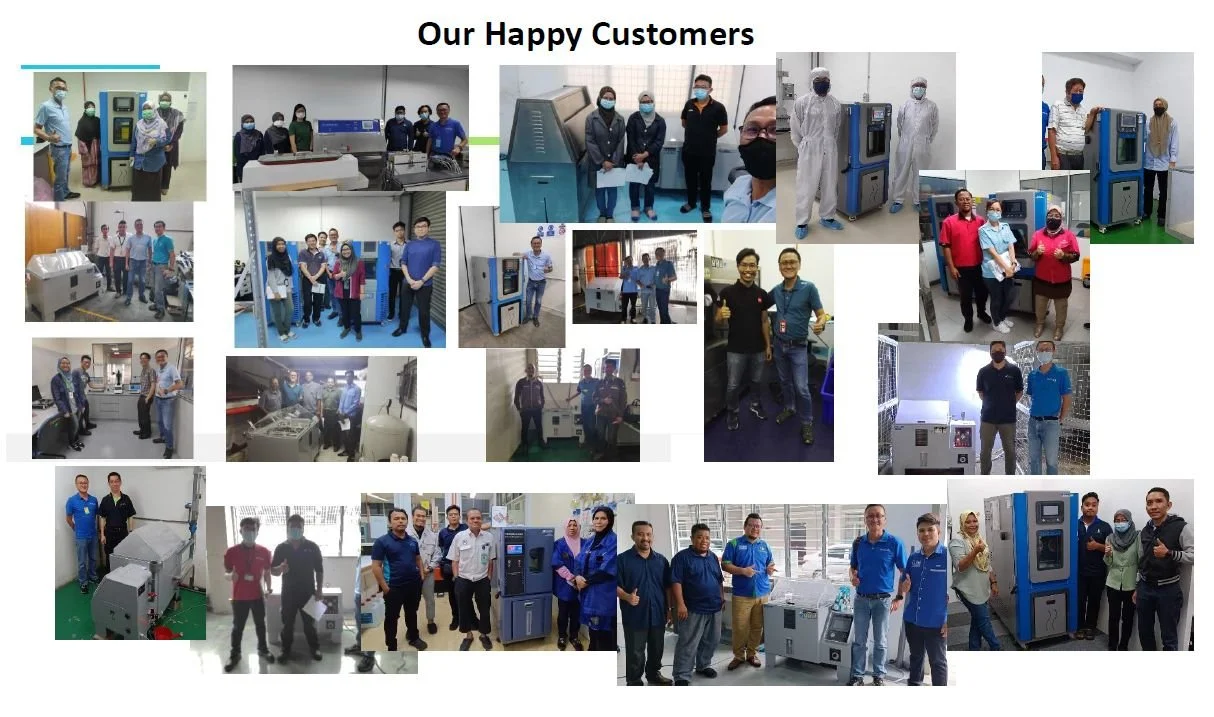
Localized Support for Malaysia's Industrial Hubs
TestLabs supports customers who need environmental and laboratory testing equipment in Malaysia. The current product information includes on-site support within Malaysia, operating training for staff, a one-year manufacturer warranty with service, and an optional two-year warranty arrangement. Online and on-site technical support is also stated for Malaysia and Singapore.
Customers in Kuala Lumpur, Selangor, Penang, Johor, and other Malaysian locations can contact TestLabs for application discussion, chamber selection, quotation, and support planning. Confirm delivery, installation, calibration, maintenance, and any site-specific requirements before purchase so the final scope matches the laboratory’s needs.
Request a Quotation
To request a quotation for a combined temperature, humidity and vibration test system, email sales@testlabs.my with the product type, specimen dimensions, approximate weight, required test level or profile, applicable standard or customer method, operating condition, available power supply, delivery location and any customization requirements.