
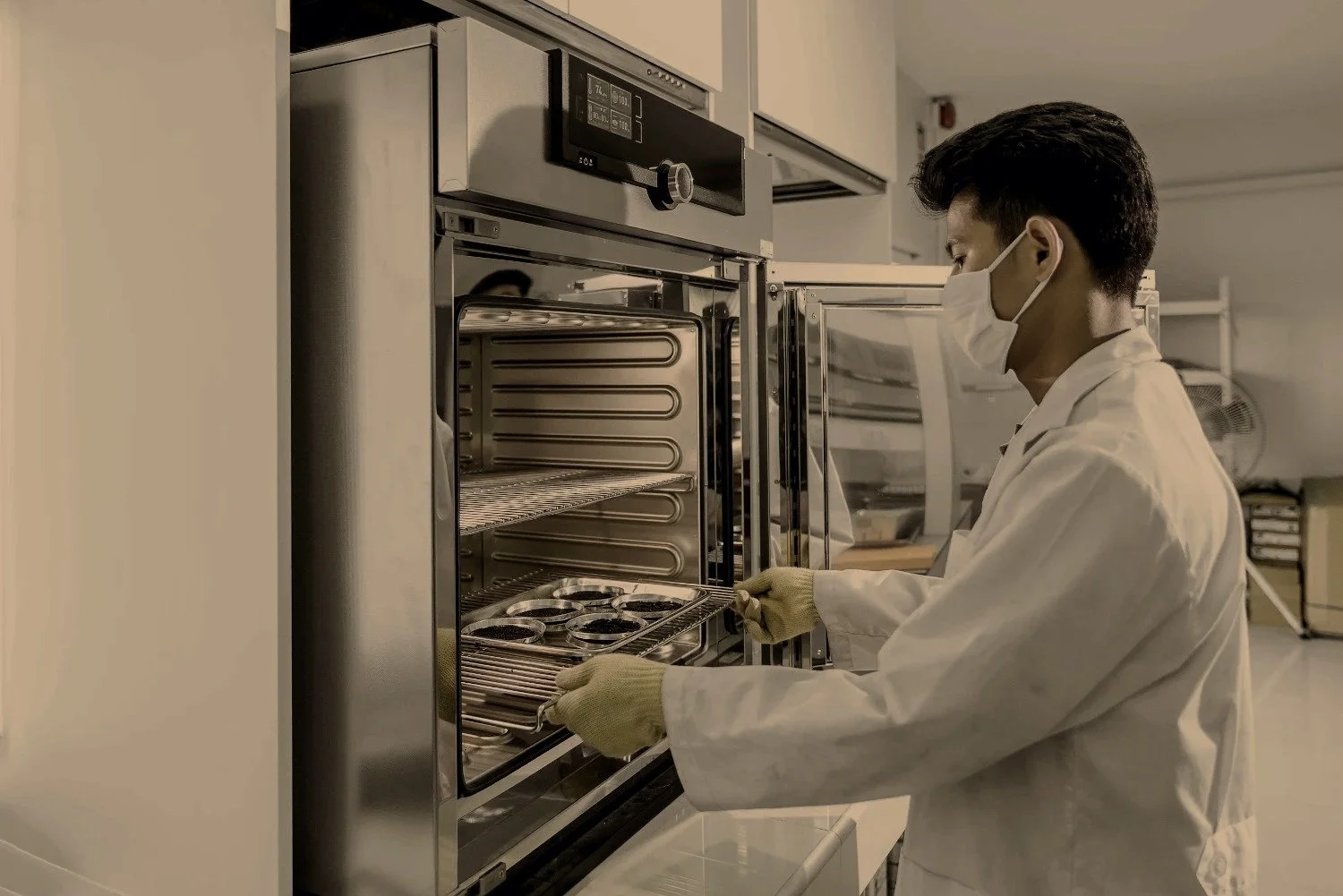
Product Reliability Testing in Malaysia
Environmental simulation testing for temperature, humidity, vibration, shock, dust, water and sunlight.
TestLabs provides product reliability and environmental simulation testing in Malaysia for electrical, electronic, automotive and other industrial products. We help product teams assess how specimens may respond to environmental and mechanical stresses such as temperature and humidity changes, vibration, shock, dust, water exposure and sunlight. Share your product details, required test method and acceptance criteria with our team so we can review the appropriate test scope and prepare a quotation.
What Is Product Reliability Testing?
Product reliability testing uses controlled environmental and mechanical conditions to evaluate whether a product or component continues to perform as required during anticipated use, storage, transport or installation conditions. Depending on the product and test plan, the evaluation may involve temperature, humidity, vibration, shock, dust, water, sunlight or other stresses. Test severity, duration, specimen setup, monitoring and acceptance criteria should be agreed before the test begins.
Environmental simulation can help a product team identify potential weaknesses earlier, compare design revisions, investigate field or shipping concerns, and generate documented evidence for internal engineering decisions or customer discussions. Test results do not automatically prove compliance with every market, regulatory or certification requirement; the applicable test method and acceptance criteria must be confirmed for the product and intended market.
Environmental Simulation Tests We Can Discuss
TestLabs can review requirements for environmental and mechanical test categories including temperature and humidity testing, combined temperature/humidity/vibration testing, thermal shock, vibration and shock, dust and water ingress testing, xenon light resistance, flammability, salt spray corrosion, drop, impact and high-temperature exposure. The final test sequence and severity depend on the product, specimen configuration, referenced standard, customer test plan and acceptance criteria.
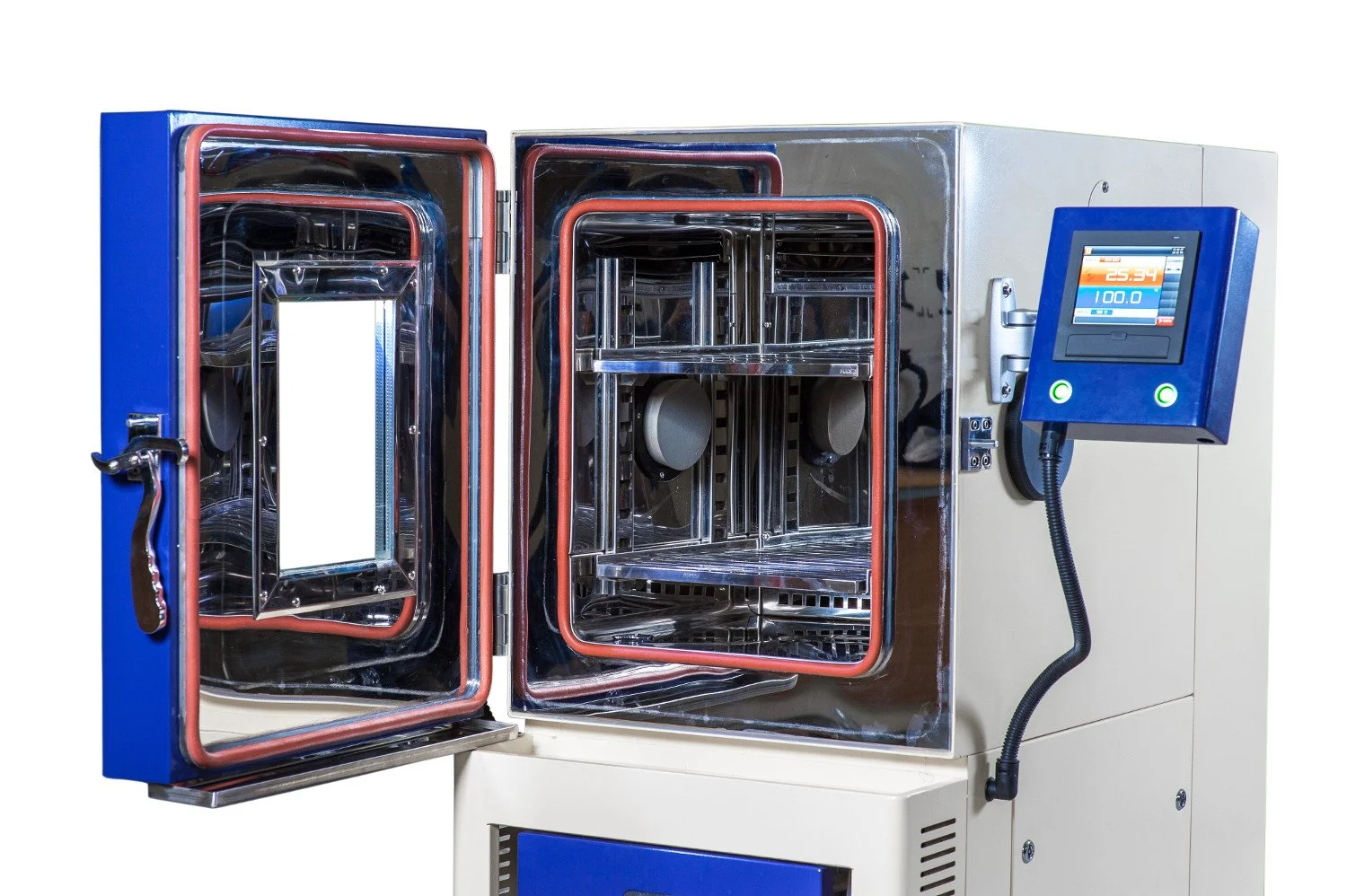
| Test category | What the discussion may cover | Information needed for a quotation |
|---|---|---|
| Temperature and humidity | Exposure to defined temperature, humidity or cyclic environmental conditions relevant to the product. | Test method, severity, duration, specimen operating condition and acceptance criteria. |
| Combined temperature, humidity and vibration | Coordinated environmental and mechanical stresses where the customer test plan requires them. | Sequence, vibration profile, environmental profile, fixture details and monitoring requirements. |
| Thermal shock | Rapid changes between defined temperature conditions to assess the product response to thermal transitions. | Temperature conditions, transition requirements, dwell time, cycle count and specimen configuration. |
| Vibration and shock | Mechanical stress evaluation for products exposed to handling, transport, installation or operating conditions. | Applicable profile or test plan, axes, fixture, mounting orientation and acceptance criteria. |
| Dust and water ingress | Ingress-protection testing for enclosures when the product requirement references an IP code or another method. | Required IP code or method, enclosure details, operating state and post-test inspection criteria. |
| Xenon light resistance | Light and weathering exposure discussions for materials or products that must be evaluated against sunlight-related effects. | Material or product description, exposure method, specimen preparation and evaluation criteria. |
| Flammability | Flammability-related evaluation where the applicable product requirement and method have been identified. | Product construction, material details, referenced method and required classification or acceptance criteria. |
| Salt spray corrosion | Corrosion exposure discussions for applicable metal, coating or assembled-product requirements. | Referenced method, specimen preparation, exposure duration and evaluation criteria. |
| Drop and impact | Mechanical impact evaluation related to handling, transport or intended use. | Drop or impact method, specimen orientation, height or energy requirement, cycle count and inspection criteria. |
| High-temperature exposure | Defined high-temperature exposure for products or materials when required by the test plan. | Temperature condition, duration, operating state, specimen dimensions and acceptance criteria. |
Important: The final test method, severity, duration, specimen setup and acceptance criteria must be confirmed against the applicable standard or customer test plan. This table is a starting point for a quotation discussion and does not state universal equipment limits or guarantee a certification outcome.
Test Standards and Method Selection
A quotation may reference standards such as IEC 60068, IEC 60529 or MIL-STD-810 when they are relevant to the product and customer requirement. IEC 60068-1 describes environmental testing methods, severities and atmospheric conditions used to assess specimen performance under expected transportation, storage and operational conditions . IEC 60529 covers ingress-protection ratings for enclosures against intrusion by dust and liquids and defines tests used to verify the enclosure requirements . MIL-STD-810 describes an environmental tailoring process for realistic materiel designs and test methods rather than imposing one universal test specification .
A standard name alone is not a certification claim. Before testing, confirm the exact edition, method, severity, duration, mounting or operating condition, monitoring points, preconditioning, recovery period and acceptance criteria. If a formal certification or market-access submission is required, confirm the role of the applicable certification body or scheme separately.
Industries We Serve
Reliability and environmental simulation requirements vary by product and intended use. TestLabs can discuss projects involving automotive components, electronic and electrical products, aerospace-related products, maritime equipment, medical products, railway equipment, and fire or security products. Tell us what the specimen is, where it will be used, and which environmental or mechanical risks you need to evaluate.
How Reliability Testing Supports Product Decisions
A well-defined reliability test can help your team make better product decisions by identifying weaknesses before wider deployment, comparing design changes under controlled conditions, clarifying the evidence needed for customer or internal reviews, and reducing avoidable rework. TestLabs can also discuss the meaning of the referenced test method before the test starts so that the quotation, specimen setup and acceptance criteria are aligned.
Any statement about regulatory compliance, certification, market access or customer approval should be based on the applicable product requirement and the final test evidence. Testing support and certification are related but not identical activities.
Frequently Asked Questions About Reliability Testing
What is product reliability testing?
Product reliability testing evaluates how a product or component responds to defined environmental and mechanical stresses that may occur during use, storage, transport or installation. Depending on the requirement, the discussion may include temperature, humidity, vibration, shock, dust, water, sunlight or other controlled conditions.
What environmental simulation tests can TestLabs discuss?
TestLabs can discuss temperature and humidity, combined temperature/humidity/vibration, thermal shock, vibration and shock, dust and water ingress, xenon light resistance, flammability, salt spray corrosion, drop, impact and high-temperature exposure. The final method, severity, duration and acceptance criteria depend on the product and the applicable test plan.
Can TestLabs discuss testing to IEC 60068, IEC 60529 or MIL-STD-810?
Yes, these standards can be discussed when they are relevant to the product requirement. The exact edition, method, severity, specimen setup, operating condition and acceptance criteria must be confirmed before quotation. Referring to a standard does not by itself mean that a product is certified or compliant.
Can you perform IP testing for dust and water ingress?
TestLabs can review an enquiry for ingress-protection testing when the product requirement references an IP code or another applicable method. Please provide the required IP code or test method, enclosure details, operating state and post-test inspection criteria so the scope can be reviewed accurately.
What information should I provide for a reliability testing quotation?
Provide the product type and intended use, specimen dimensions and approximate weight, sample quantity, operating condition, power supply, referenced standard or customer test plan, required test level, test duration or cycle count, acceptance criteria, reporting needs and delivery location. If some details are not available, send the product datasheet or test plan first.
Does a reliability test automatically provide product certification?
No. A test report documents the agreed test scope and results; certification or regulatory approval depends on the applicable product requirement, scheme and certification body. Confirm the intended certification pathway and evidence requirements before testing if certification is part of the project.
Where is the reliability testing service located?
TestLabs is based in Kuala Lumpur, Malaysia. For a project review, email sales@testlabs.my
How do I request a quotation?
Email sales@testlabs.my with your product details and test requirement. A product datasheet, drawing, test plan or product photograph can help the team understand the requested setup.
Request a Quotation
Tell us what you need to test, purchase, or implement. Please include the product or material, specimen dimensions, approximate weight, required test level, applicable standard or test method.
We will review the information and advise on the next step or the details that still need to be confirmed.