
ISO 9080 Testing: Long-Term Hydrostatic Strength of Thermoplastic Pipe
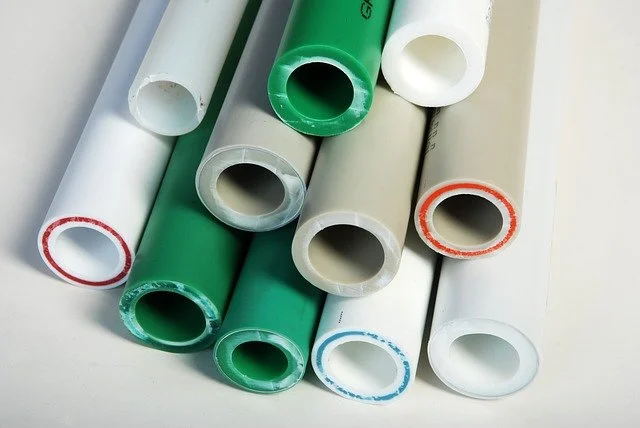
ISO 9080 testing uses hydrostatic stress-rupture data and statistical extrapolation to estimate the long-term hydrostatic strength of thermoplastic material in pipe form. The resulting analysis can support material classification and Minimum Required Strength (MRS ) evaluation under ISO 12162, subject to the applicable standard edition, test plan, and assessment requirements. TestLabs supports enquiries for thermoplastic pipe testing from manufacturers in Kuala Lumpur, Selangor, Penang, Johor, Singapore, and wider Asia.
Need to plan an ISO 9080 test? Email sales@testlabs.my with the pipe material, dimensions, intended application, required standard, and target market. TestLabs can review the request and advise what information is needed for a quotation.
What does ISO 9080 determine?
ISO 9080 describes a method for predicting the long-term hydrostatic strength of thermoplastics materials in pipe form by statistical extrapolation. In practical terms, pipe specimens are exposed to internal hydrostatic pressure at defined conditions until failure data are obtained. The stress-time data are then evaluated using the statistical method specified by the applicable standard and test programme.
The output is a prediction based on the tested material, pipe specimens, test conditions, data quality, and statistical analysis. It is not a guarantee that every installed pipe will last for a particular period under every service condition. Temperature, chemical exposure, installation, loads, manufacturing variation, and the applicable product standard can affect service performance.
How hydrostatic stress-rupture testing works
A typical programme applies several internal pressure or hoop-stress levels to pipe specimens. The laboratory records the time to failure and the failure mode for each specimen. The results are assessed as stress-time data rather than as a short-term tensile-strength value.
The data are commonly reviewed on logarithmic axes so that the stress-time relationship can be analysed using regression. The applicable calculation then supports an estimate of the long-term hydrostatic strength and the relevant lower-prediction limit. The exact specimen count, stress levels, temperatures, duration, acceptance criteria, and analysis steps must be confirmed against the applicable edition of ISO 9080 and the customer’s product or certification requirements.
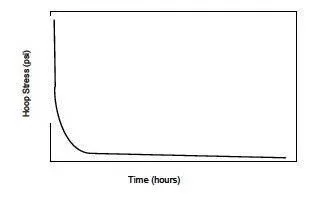
Stree-Rupture date plotted on Cartesian coordinates
Hydrostatic stress-rupture testing should not be presented as a simple accelerated ageing test. It is a defined pressure-testing and statistical-analysis programme, and the credibility of the output depends on the test plan and the quality and distribution of the failure data.
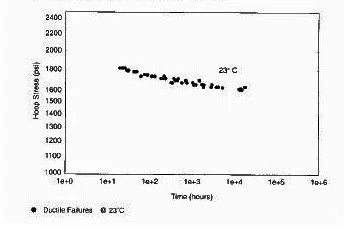
Hydrostatic Data in Linear Regression Method
ISO 9080 and ISO 12162: what is the difference?
ISO 9080 and ISO 12162 are related but serve different purposes. ISO 9080 addresses the statistical extrapolation of hydrostatic stress-rupture data to predict long-term hydrostatic strength for thermoplastics materials in pipe form. ISO 12162 addresses the classification and designation of thermoplastics materials for pipes and fittings for pressure applications and includes the method used to derive a Minimum Required Strength classification.
The conclusive stress rating for the piping materials can be deduced based on the Minimum Required-Strength (MRS)
The relationship between the two standards does not mean that a test report automatically provides product certification or regulatory approval. A manufacturer should confirm the required report format, material designation, product standard, certification route, and authority requirements before testing begins.
What can TestLabs help you with?
TestLabs presents its ISO 9080 service as hydrostatic pressure testing for thermoplastic pipe, followed by analysis of the resulting data and support for MRS-related evaluation. The service page also describes coverage for a range of plastic pipe materials. Confirm the current laboratory scope, accreditation scope, specimen limits, reporting format, and certification pathway for each enquiry before making a project-specific claim.
For a quotation, email sales@testlabs.my and include:
•material type, grade, and formulation if available;
•intended application and target market;
•applicable product standard or authority requirement;
•desired test temperature and pressure or stress information, if already specified; and
•whether the request is for test data, an accredited report, MRS evaluation support, or a separate certification process.
Frequently asked questions about ISO 9080 testing
What is ISO 9080 testing?
ISO 9080 testing is a hydrostatic stress-rupture test and statistical evaluation method used to estimate the long-term hydrostatic strength of thermoplastics materials in pipe form. The result depends on the tested specimens, defined conditions, failure data, and analysis required by the applicable standard edition.
What does long-term hydrostatic strength mean?
Long-term hydrostatic strength is an estimate of the stress that thermoplastic pipe material can sustain over a specified reference period under defined conditions. It is a statistical prediction, not a universal guarantee of service life for every installation or operating environment.
How are ISO 9080 and ISO 12162 related?
ISO 9080 addresses statistical extrapolation of hydrostatic stress-rupture data to predict long-term hydrostatic strength. ISO 12162 addresses classification and designation of thermoplastics materials for pipes and fittings for pressure applications and includes the method used to derive a Minimum Required Strength classification. The required report and certification route should be confirmed for the product and target market.
Does an ISO 9080 test automatically certify a pipe?
No. ISO 9080 is a test and analysis method. A test report is not automatically a product certificate, regulatory approval, or authority listing. Additional product standards, certification-body reviews, factory evidence, or authority submissions may be required.
Can PVC, PE, PP, and other thermoplastic pipes be tested?
Potentially, but suitability depends on the material, pipe construction, dimensions, test conditions, applicable standard, and laboratory scope. Email sales@testlabs.my with the material and pipe details so TestLabs can review the requested programme.
What information is needed for an ISO 9080 quotation?
Provide the material type and grade, pipe outside diameter and wall thickness, available specimen quantity, production or material lot information, intended application, applicable standard edition, target market, required test temperatures or pressure information if known, and the report or certification outcome required.
How long does ISO 9080 testing take?
There is no reliable single duration for every project. Timing depends on the approved test plan, specimen preparation, test conditions, failure distribution, data requirements, and reporting or certification pathway. Request a project-specific schedule from sales@testlabs.my after the scope is confirmed.
Where does TestLabs support ISO 9080 testing enquiries?
TestLabs supports enquiries from manufacturers in Kuala Lumpur, Selangor, Penang, Johor, Singapore, and wider Asia. Final service availability, laboratory scope, and reporting arrangements should be confirmed for the requested material and test programme.
Need help defining the test scope? Email sales@testlabs.my with your pipe material, dimensions, standard, and target market.
