
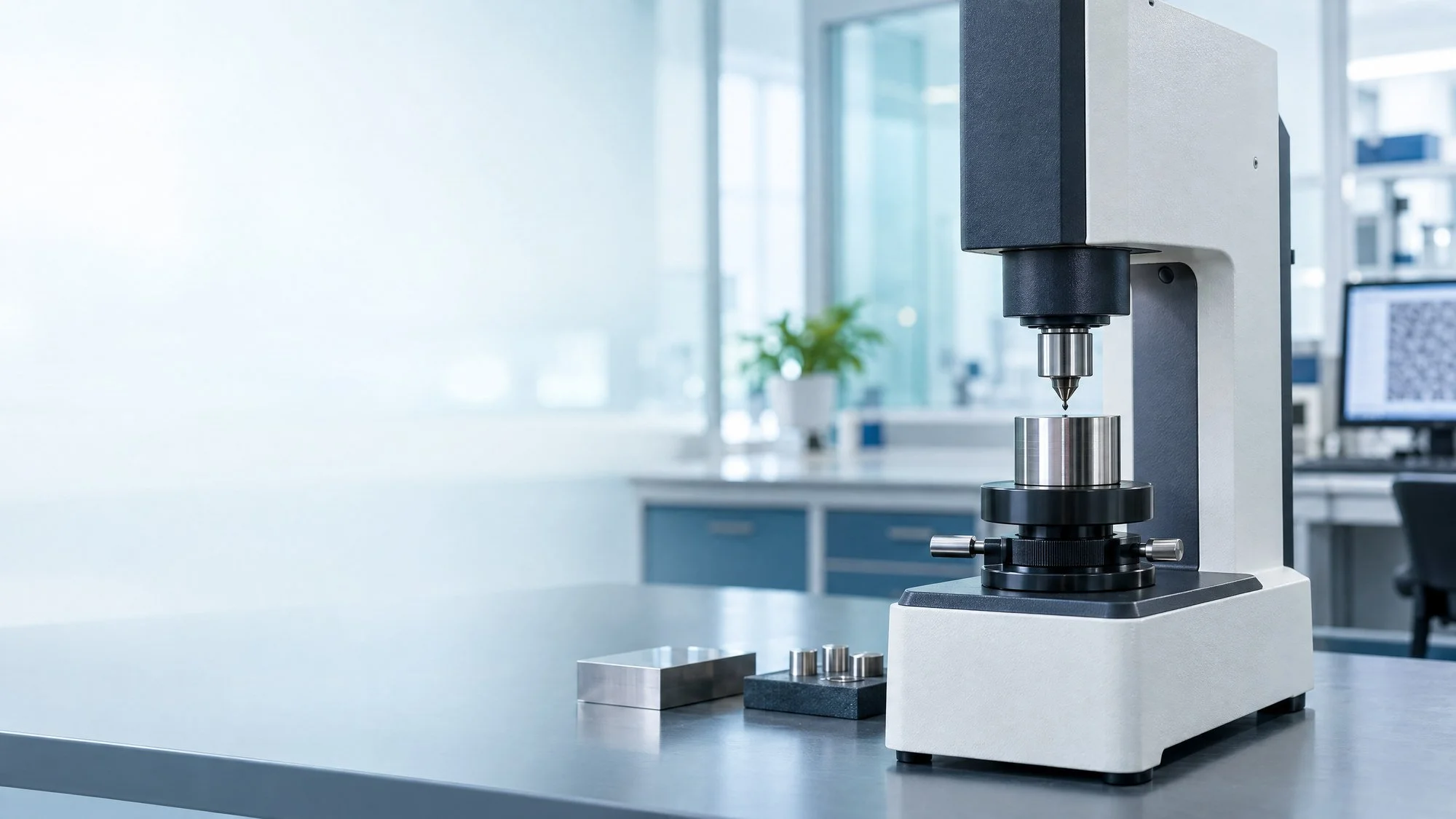
Hardness Testers in Malaysia
TestLabs supplies hardness testing machines for laboratories and manufacturers in Malaysia, including Rockwell, Vickers, Brinell and universal configurations. We help shortlist a suitable model based on your material, specimen size and shape, required hardness scale or test method, and preferred level of automation. Final model selection, configuration and availability are confirmed against your application.
✳︎
Local Technical Support
✳︎
1 Year Local Warranty
✳︎
Free Training
✳︎ Local Technical Support ✳︎ 1 Year Local Warranty ✳︎ Free Training
Hardness Tester Types
Compare the main method families. The available force, measurement system and automation options vary by model.
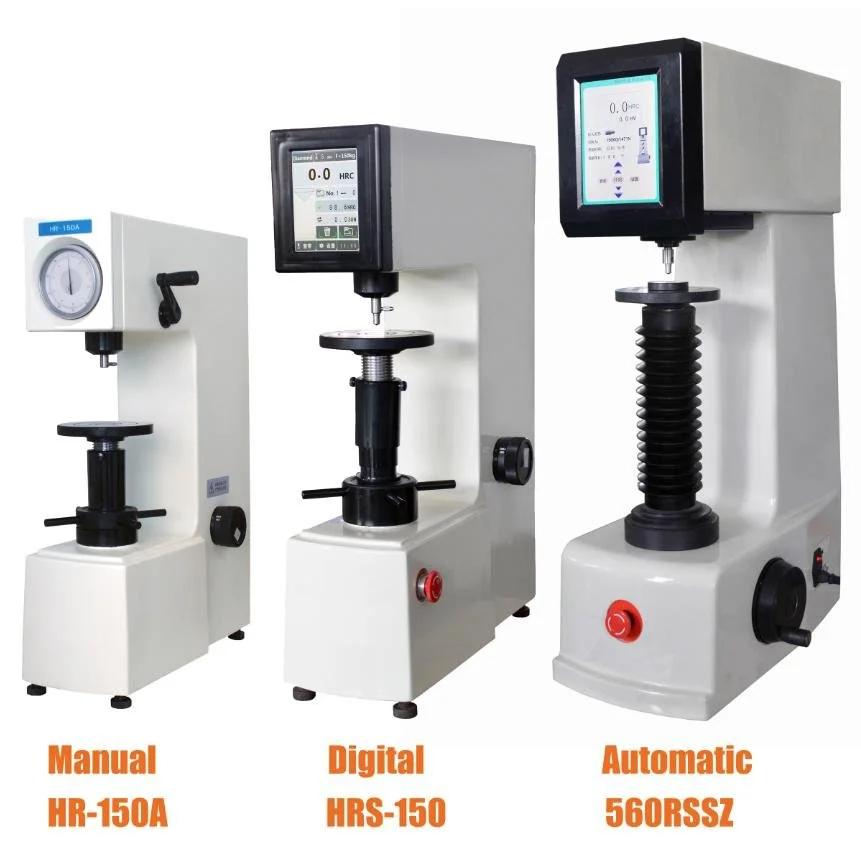
Depth measurement
Rockwell Hardness Testers
Rockwell options include conventional and superficial Rockwell models, with manual, motorized and digital configurations shown in the supplied brochures. The correct scale, test force and machine format depend on the specimen and required method.
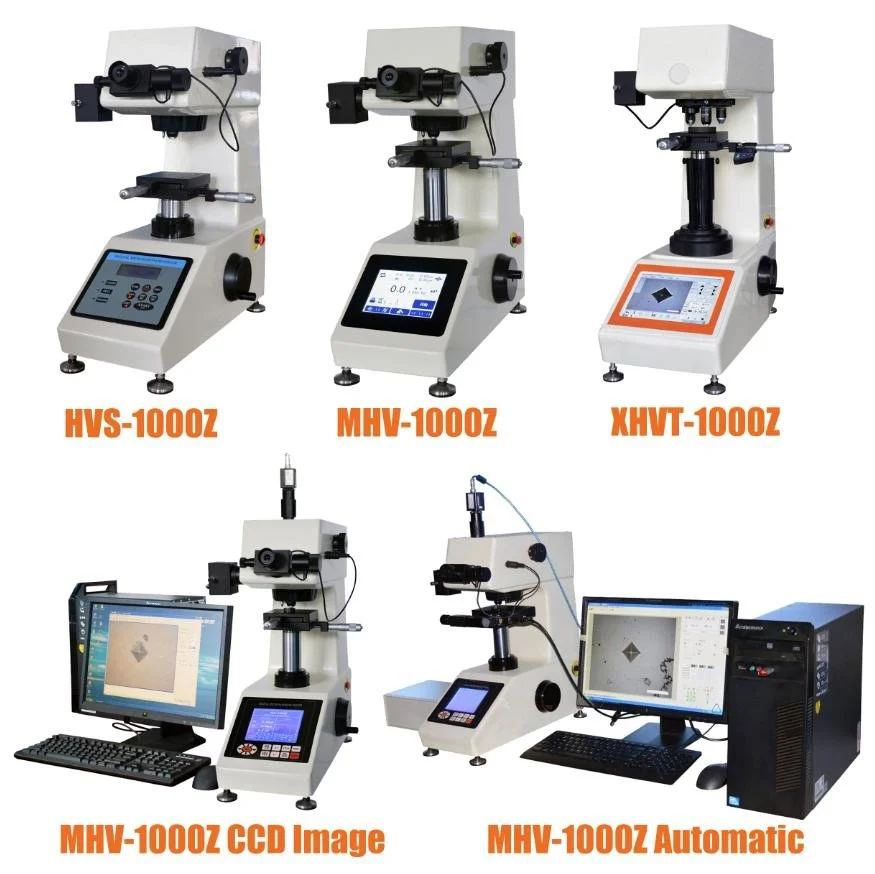
Optical diagonal measurement
Vickers Hardness Testers
Micro Vickers and Macro Vickers tester families are available. Available measurement and automation options vary by model. Confirm the required force range, specimen dimensions, surface preparation and test method before selecting a configuration.
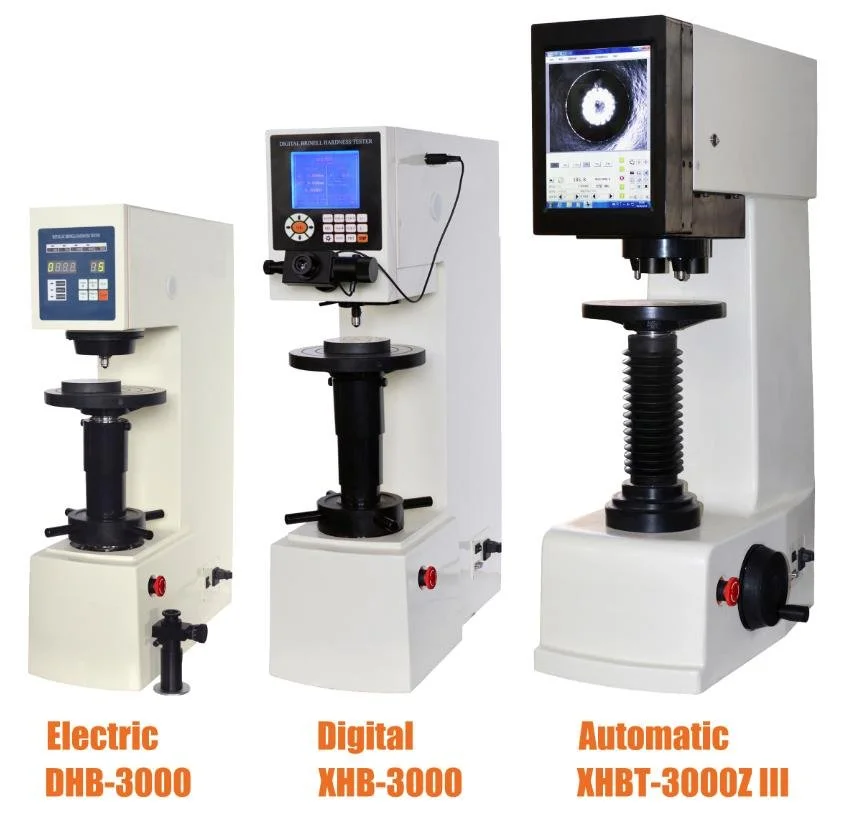
Ball impression measurement
Brinell Hardness Testers
The Brinell Hardness Testers cover low-load and higher-load systems, with model-dependent measurement and automation options. Share the material structure, specimen size and required test method so TestLabs can narrow the range.
Multiple test methods
Universal Hardness Testers
Selected VTS universal models combine Brinell, Rockwell and Vickers modes. The methods, forces and specimen space depend on the model, so confirm the exact configuration against your test requirement.
Compare the Main Hardness Tester Methods
| Method / equipment type | How the result is measured | Typical starting point | What TestLabs should confirm |
|---|---|---|---|
| Rockwell | Hardness is determined from the permanent depth of indentation under the selected test forces. | Often selected for routine metal hardness checks. The VTS range includes standard and superficial Rockwell models. | Required HR scale, specimen thickness and geometry, indenter, force, and whether a manual, motorized or digital model is needed. |
| Vickers | A diamond-pyramid indentation is measured optically by its diagonal lengths. | Micro- and macro-load options support different specimen and inspection needs, including small test areas where the selected method permits. | Required force, specimen size and support, surface preparation, measurement/automation system, and applicable test method. |
| Brinell | A ball indenter makes an impression; the impression diameter is measured to determine hardness. | Often considered for larger or coarse/inhomogeneous metallic structures such as castings, where the specimen and method are suitable. | Material structure, specimen dimensions, ball diameter and force combination, reading system, and required standard. |
| Universal hardness tester | This describes a tester that can perform multiple methods; it is not a separate indentation method. | The VTS brochures list models combining Brinell, Rockwell and Vickers modes for laboratories needing more than one method. | Exact model, supported test modes and forces, maximum specimen space, readout, and the test method required for each application. |
This is a selection guide, not a substitute for the applicable test standard. Suitability depends on the material, specimen geometry, surface condition, required scale and exact model configuration. See the National Physical Laboratory overview of hardness testing and EMCO-TEST method overview; confirm the model details with TestLabs before quotation.

How to Select a Hardness Tester
Choosing a hardness tester starts with the material and the test requirement—not just the machine name. The right method depends on the material structure, specimen size and shape, surface condition, required hardness scale, applicable standard or customer method, and the size and volume of parts you need to test.
Rockwell: confirm the scale and whether standard or superficial testing is required.
Vickers: confirm micro- or macro-load needs and whether the specimen suits optical indentation measurement.
Brinell: confirm the ball/force combination and specimen size or structure.
Universal: check the exact model’s supported methods, forces and specimen space.
If you are unsure, send TestLabs the material, specimen dimensions, required test method or standard, and approximate testing volume. We can review the available VTS configurations and confirm which model should be quoted.
Hardness Tester Range
| Tester family | Brochure-level product range | Configuration examples | Confirm before quotation |
|---|---|---|---|
| Rockwell | Conventional and superficial Rockwell families. | Manual, motorized, digital and double-scale/automatic options are shown in the catalogue. | Exact scale, force, indenter, specimen space and current model availability. |
| Vickers | Separate Micro Vickers and Macro Vickers families. | Manual, digital, intelligent, image-measurement and automated options appear across the brochures. | Required force, optical measurement system, specimen support, surface preparation and model-specific range. |
| Brinell | Low-load through higher-load Brinell families, with model-dependent test forces. | Digital, multiple-indenter and automatic/image-measurement options are shown in the catalogue. | Exact ball/force combinations, specimen dimensions, reading system and available model. |
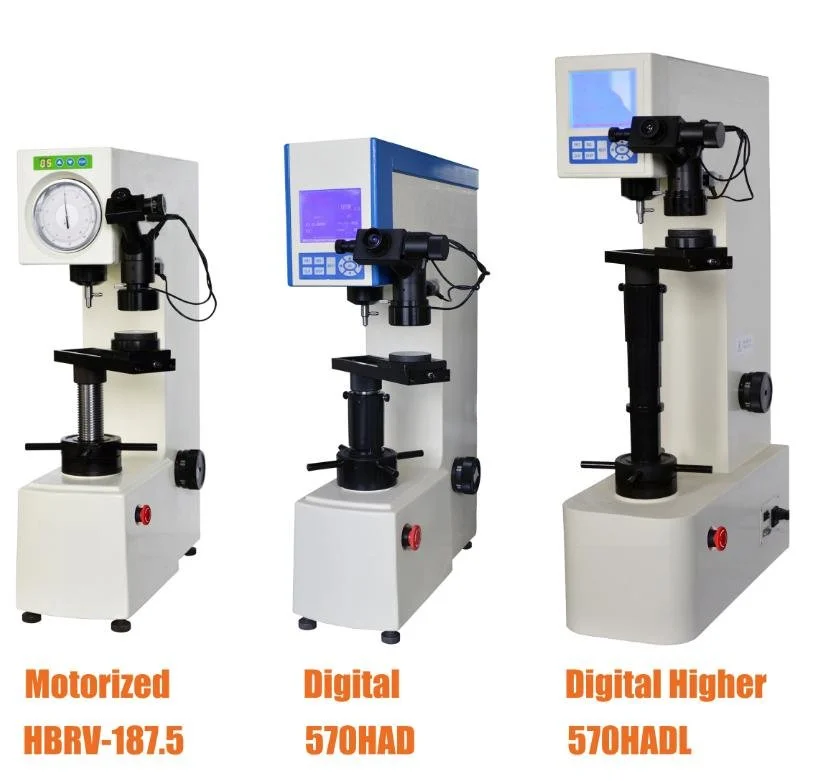
| Universal | Three model families are shown: HBRV-187.5, 570HAD and 570HADL. | Selected models combine Brinell, Rockwell and Vickers modes; 570HADL is described as a higher-test-space model. | Supported mode and force for each method, specimen height/throat, readout and current configuration. |
Hardness tester questions
The right tester depends on the material, specimen, required hardness scale and test method. These answers are a starting point; confirm the final model and configuration against your test requirement.
What is the difference between Rockwell, Vickers and Brinell hardness testing?
Rockwell determines hardness from the depth of indentation. Vickers measures the diagonals of a diamond-pyramid impression. Brinell measures the diameter of a ball indentation. The appropriate method depends on the material, specimen geometry, surface condition and required standard or customer method.
How do I choose a hardness tester for my material?
Start with the material and its structure, specimen dimensions and shape, surface condition, required scale or test method, applicable standard, and the size or weight of the part. Also consider testing volume and whether manual, digital or automated measurement is needed. TestLabs can review these details and recommend a suitable VTS configuration.
Do you offer both Micro Vickers and Macro Vickers testers?
The supplied VTS brochures cover both Micro Vickers and Macro Vickers product ranges, with model-dependent forces and measurement options. Exact model availability, force range and configuration must be confirmed for the intended application.
Can one Universal Hardness Tester perform more than one test method?
VTS Universal Hardness Tester brochures list models combining Brinell, Rockwell and Vickers test modes. The supported forces, specimen space and readout vary by model, so share the required methods and specimen dimensions before selecting a configuration.
What information should I send for a hardness tester recommendation?
Include the material, specimen dimensions and shape, approximate weight or maximum part size, required method or hardness scale, applicable standard or customer method, expected testing volume, preferred measurement or automation level, and delivery location.
Does buying a hardness tester certify the material or product?
No. A hardness tester is equipment used to perform measurements; it does not by itself certify the tested product. Confirm that the selected model and configuration are suitable for the exact test method and standard edition required by your quality plan or customer.
Localized Support for Malaysia's Industrial Hubs
We provide direct equipment sales, technical supply, and rapid on-site maintenance for specialized industries across Malaysia:
• Penang: Semiconductor labs and microelectronics wafer fabrication facilities requiring precise steady-state climate chambers.
• Selangor: Automotive component testing and industrial manufacturing QA facilities needing programmable environmental chambers.
• Johor: Heavy manufacturing and electronics assembly hubs demanding reliable temperature humidity testing equipment.
• Kuala Lumpur: Centralized R&D and compliance testing laboratories.
Request a Quotation
Send TestLabs your material, specimen details and test requirement. We’ll review and confirm a suitable model to quote.